Milling and Removal4 min read
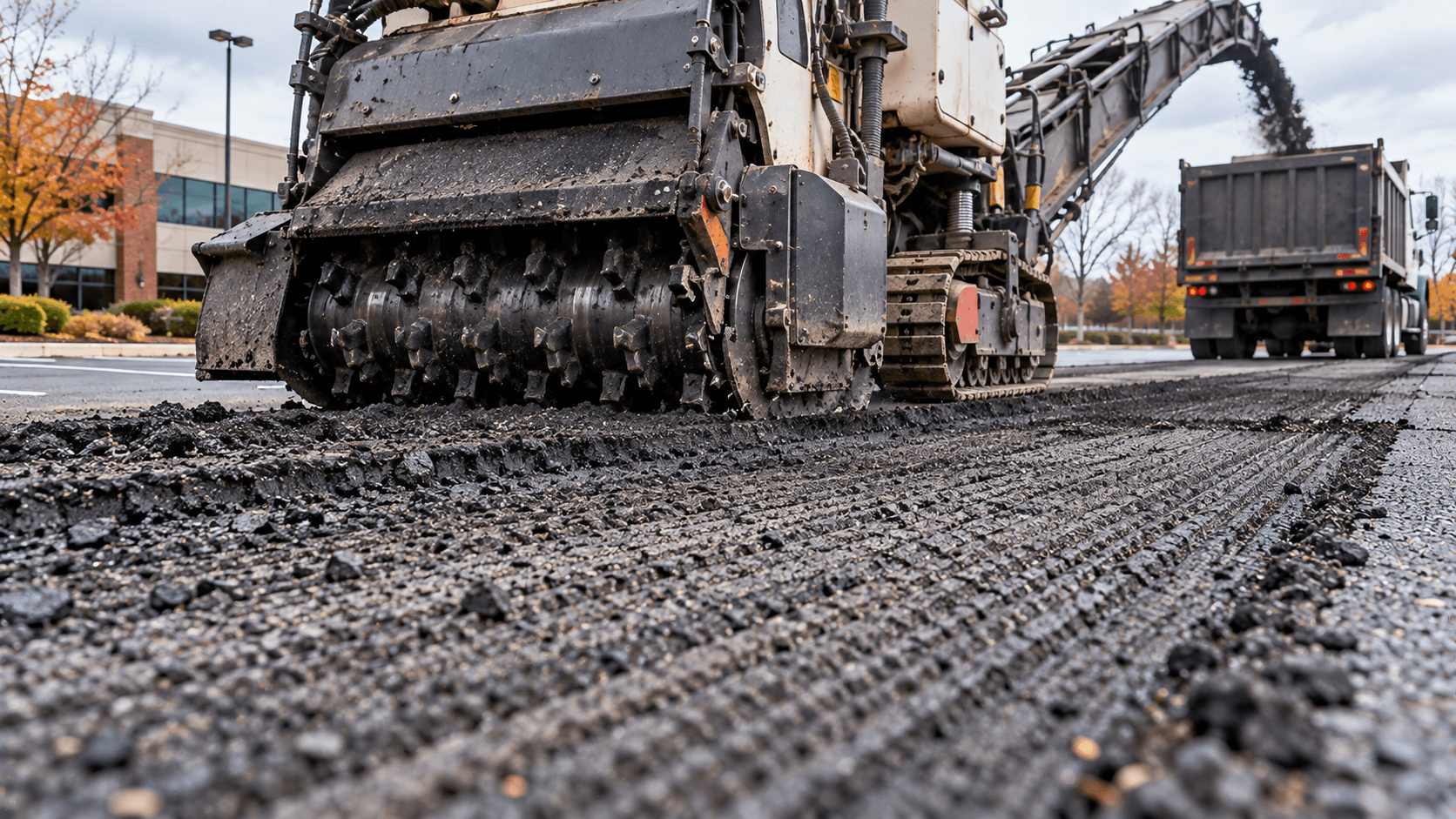
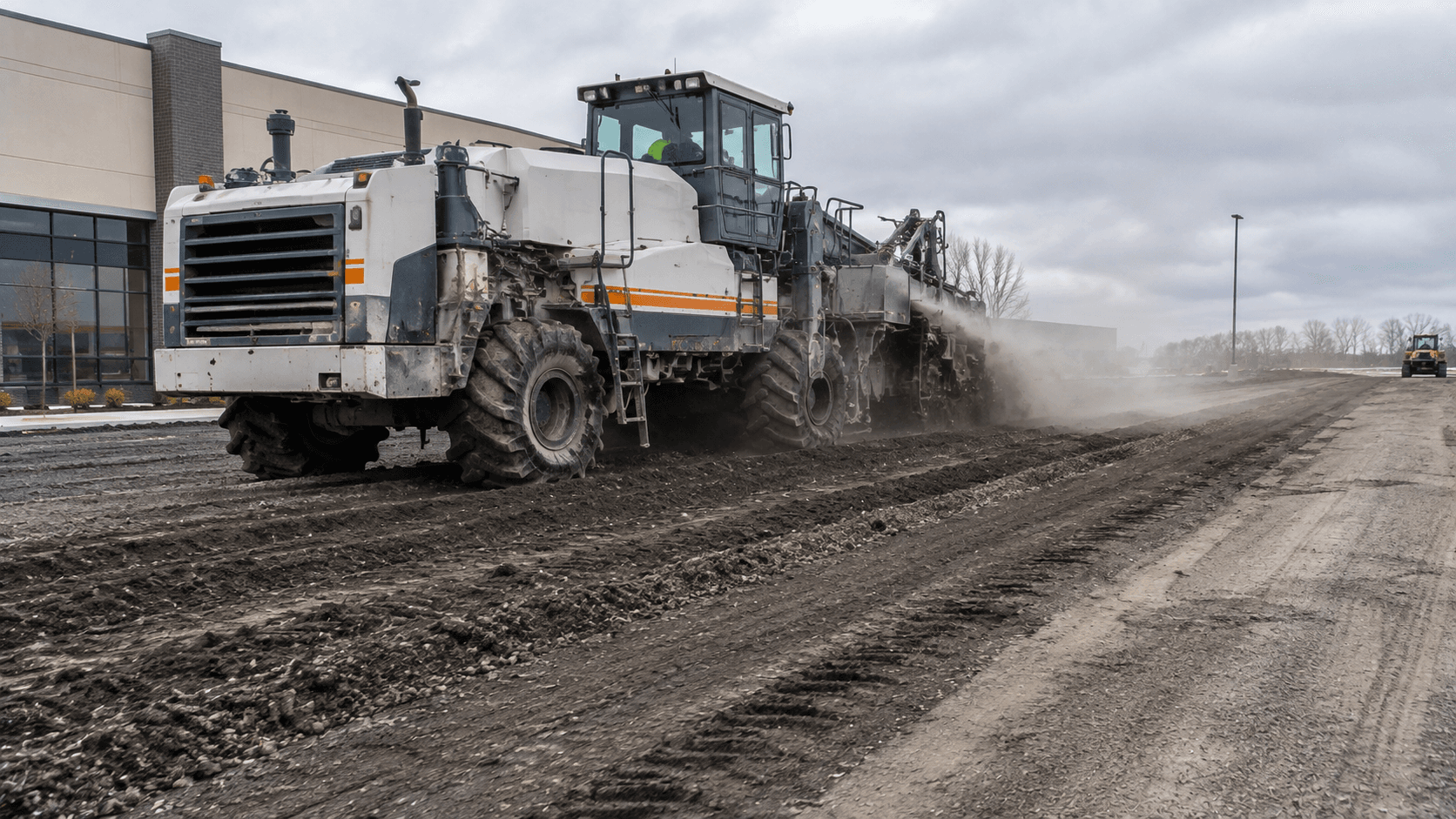
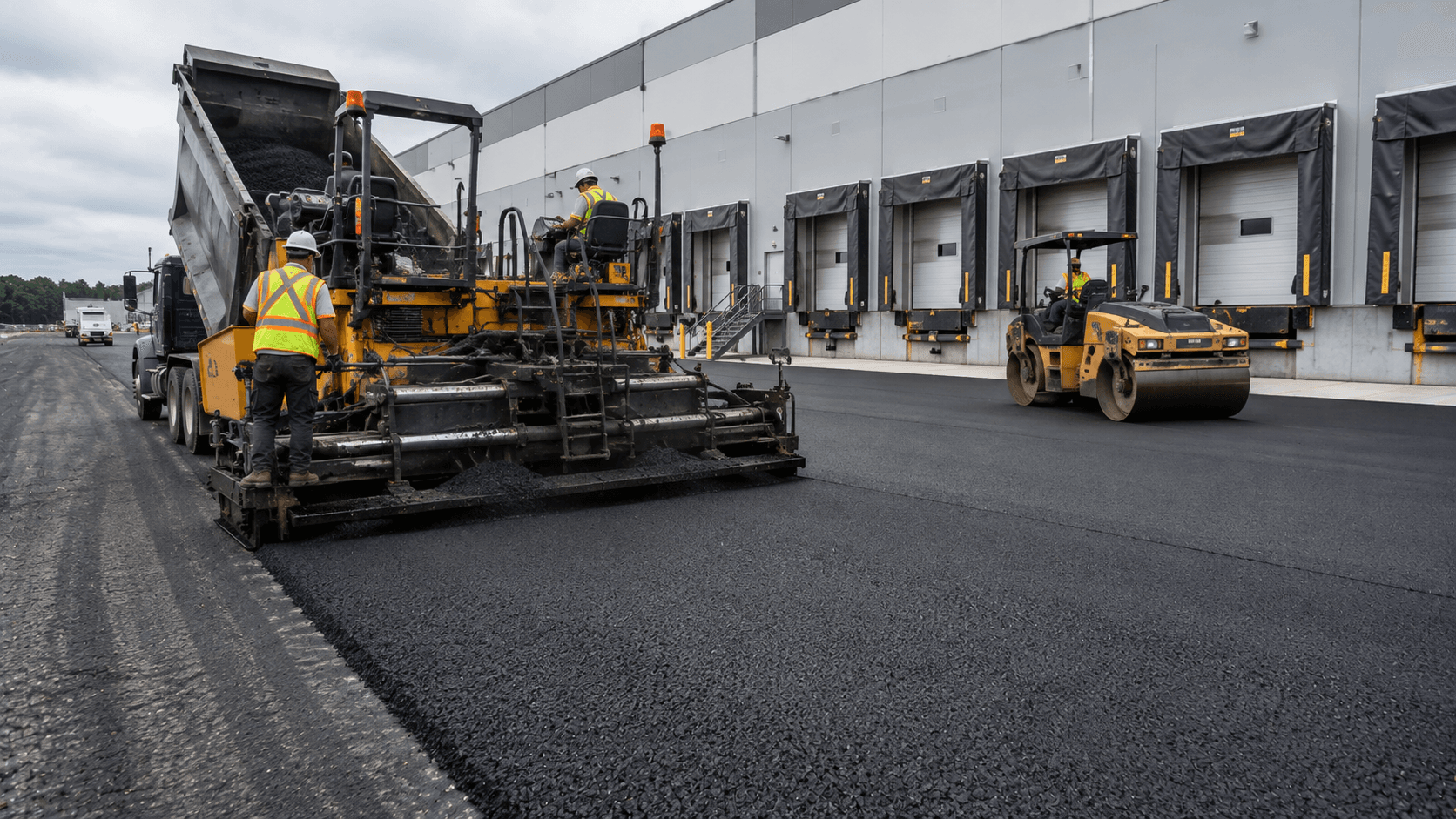
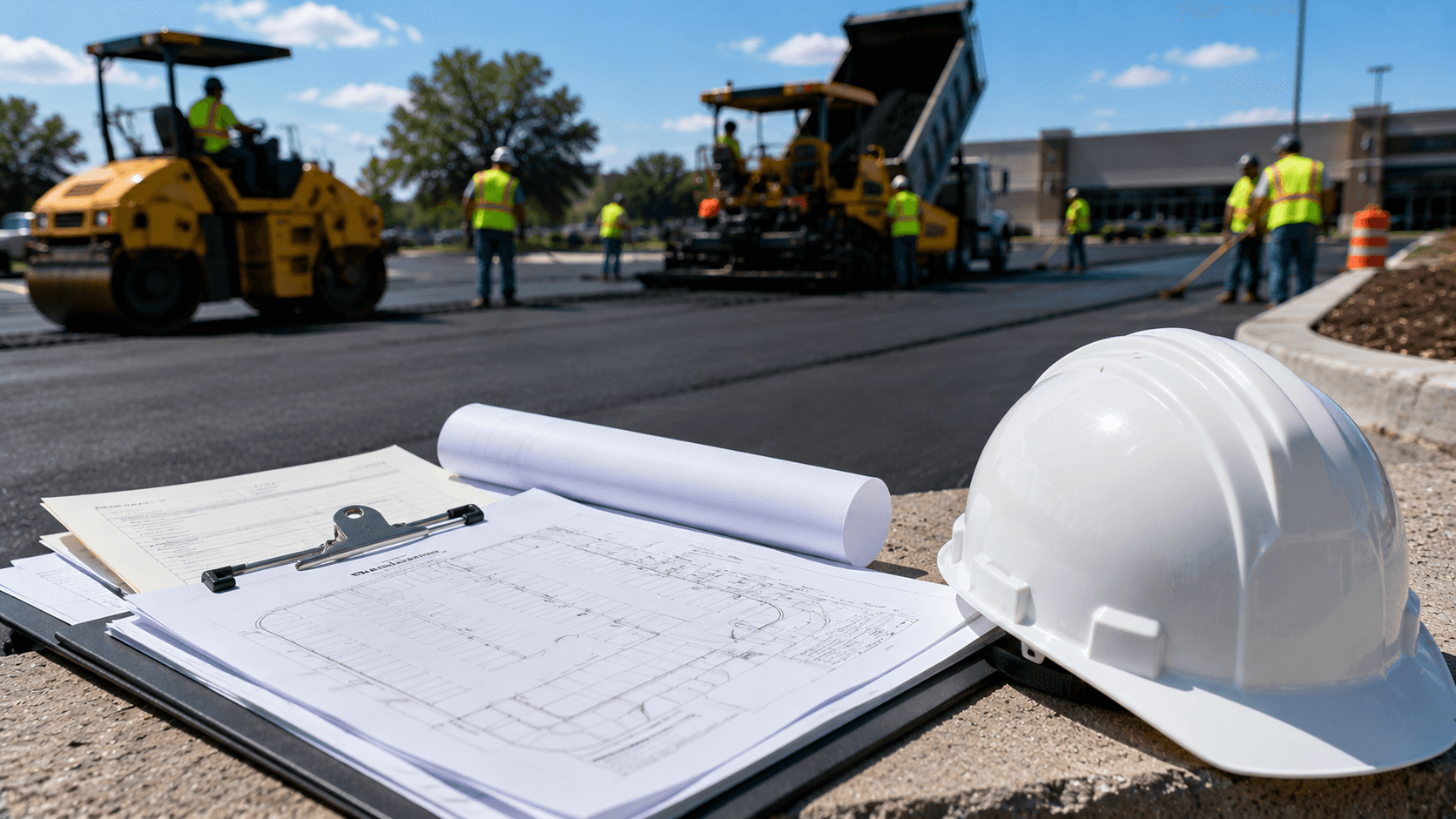
How Long Does Asphalt Milling Take?
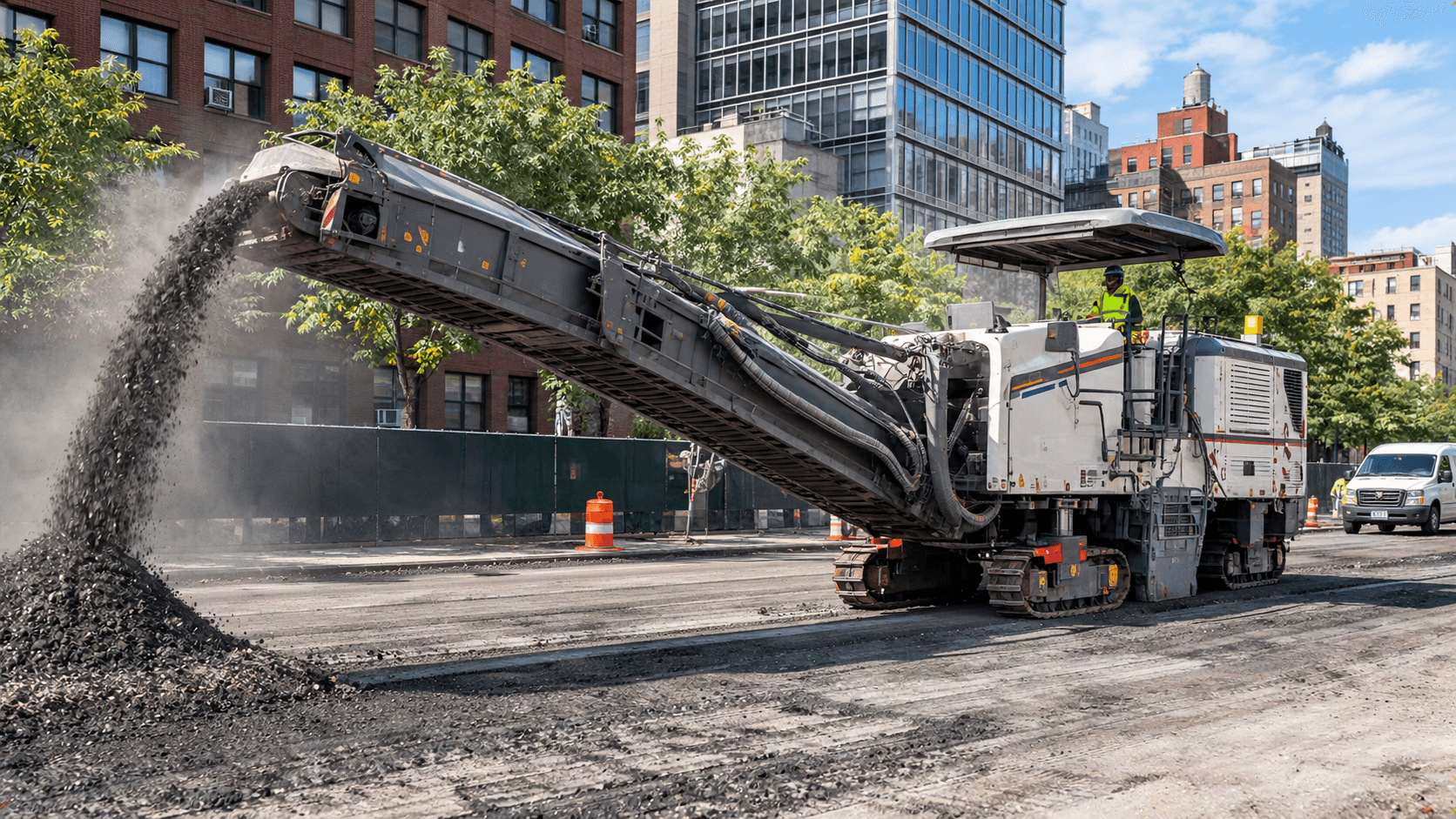
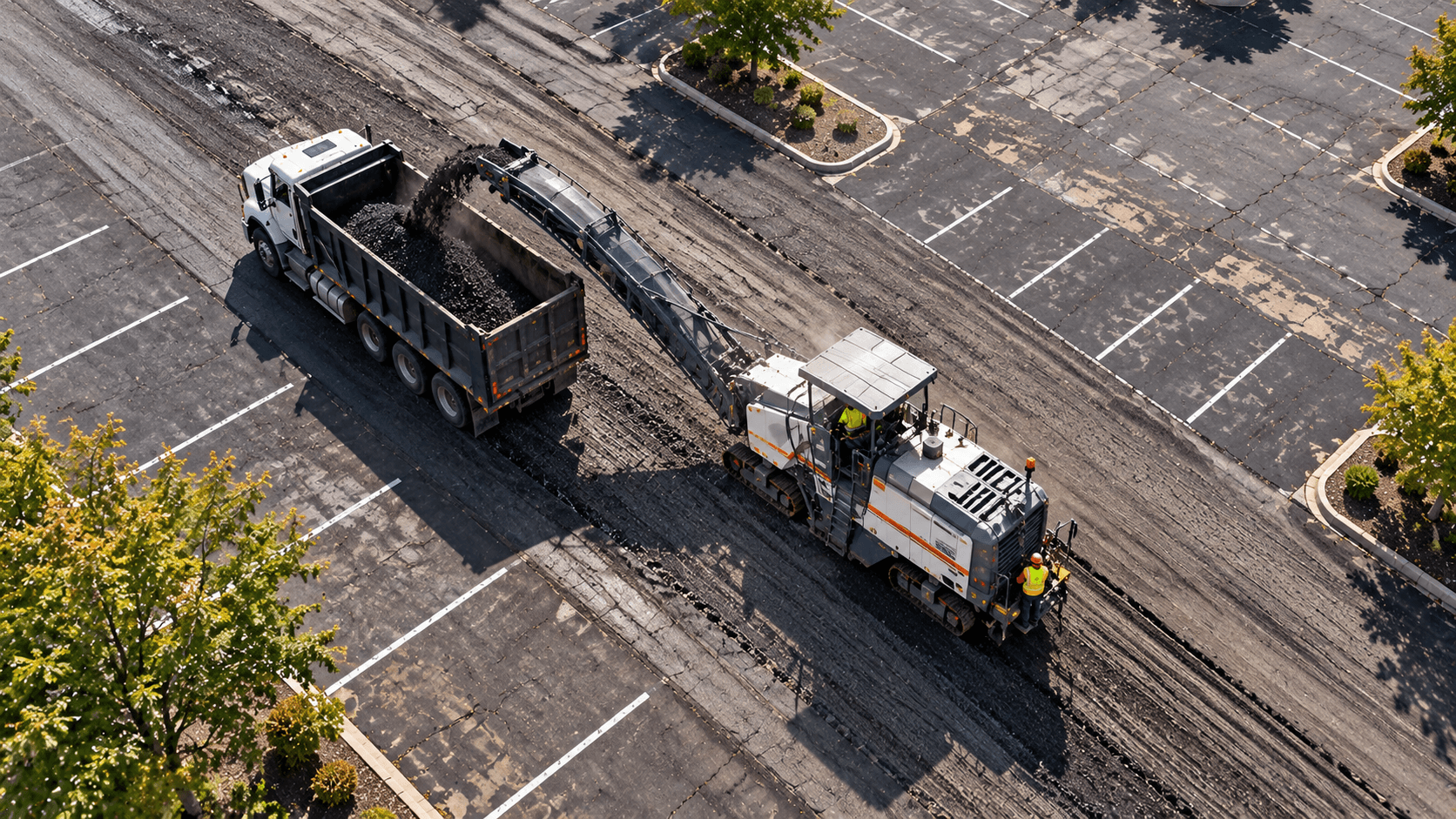
The milling itself is often the fast part. Here is what actually determines how long a lot stays out of service.
October 14, 2026Read More
Resources & Insights
Practical guides for commercial property owners, when to resurface, how to budget for seal coating, ADA compliance, what questions to ask a paving contractor, and more. Written from the job site, not a content farm.
The milling itself is often the fast part. Here is what actually determines how long a lot stays out of service.
Cold weather paving is not a flat no. It is a different, more demanding version of the same job, with a narrower margin for error.
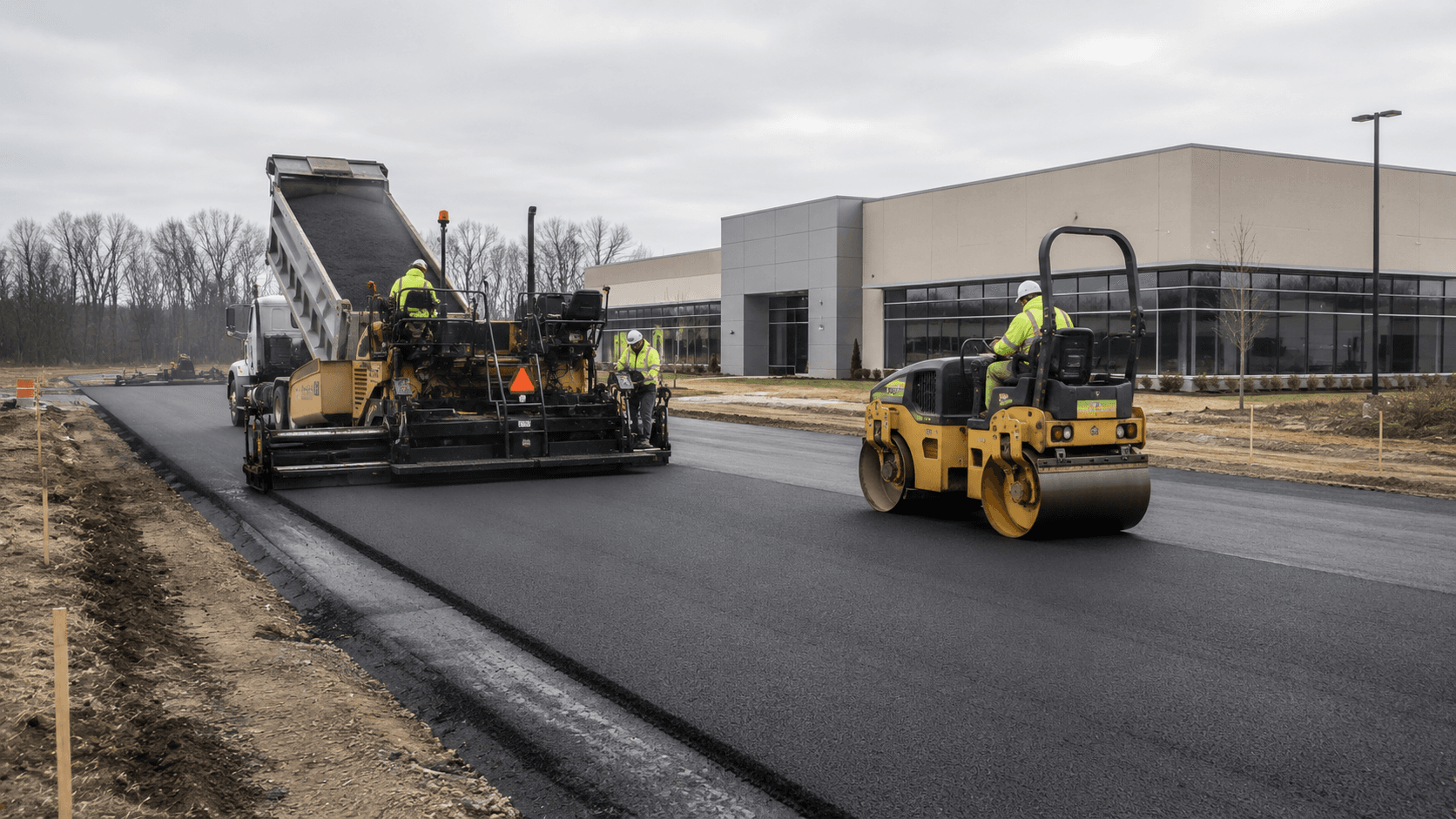
Ten years or twenty. The gap between a good overlay and a disappointing one almost always comes down to one thing: what was underneath it.
A milling quote can vary widely for what sounds like the same job. Here is what is actually driving that number.
A seal coat that does not get the chance to cure properly can fail faster than no seal coat at all. Here is how to tell if the window is still open.
The calendar says one thing. The thermometer says another. Here is what actually closes out paving season in each part of the country FineLines serves.
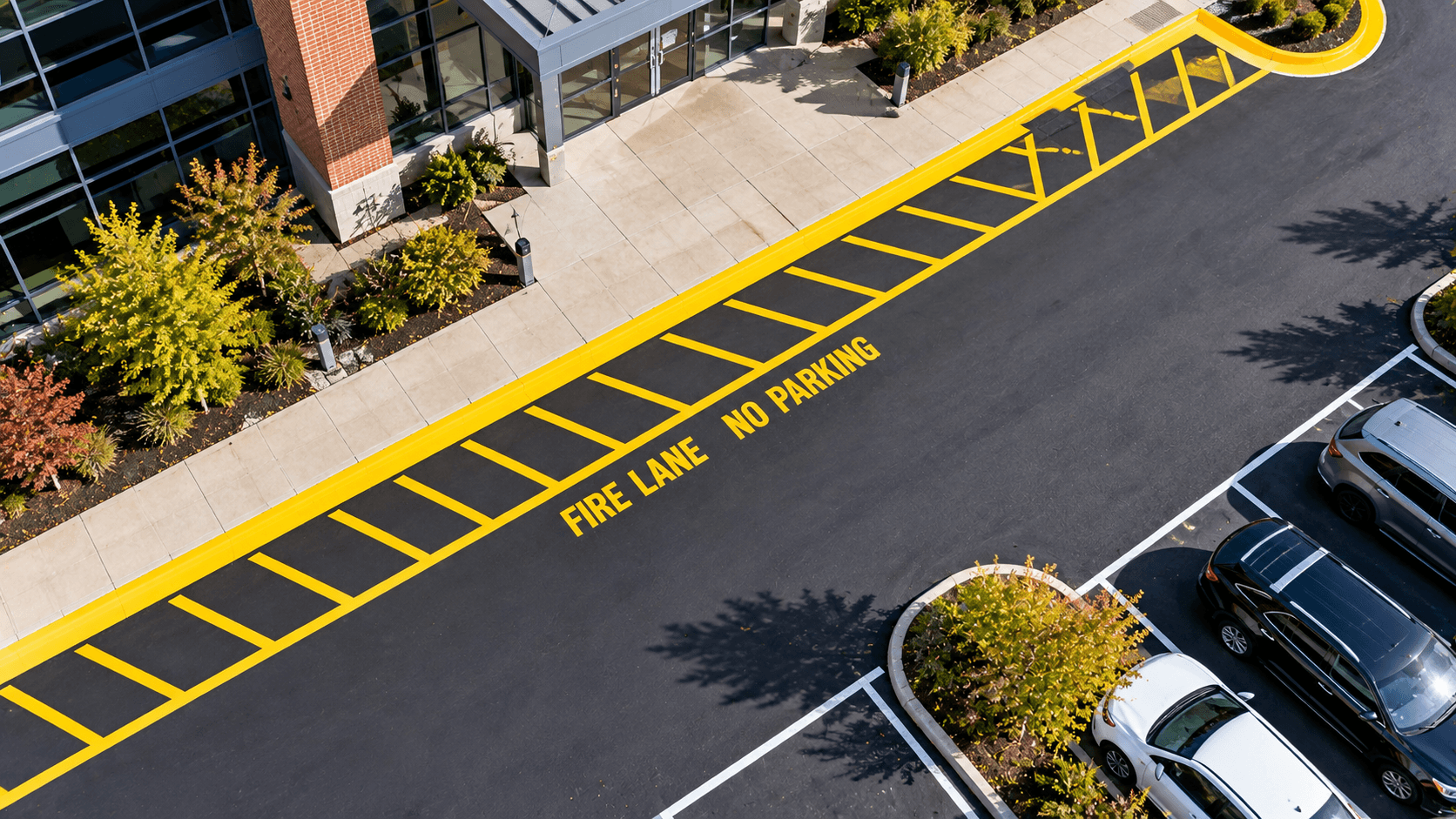
A lot of property owners assume fire lane markings are the town's job. In Connecticut, they're not, once a Fire Marshal designates one, it's the owner's responsibility to install and maintain it. Here's what local ordinances actually require.
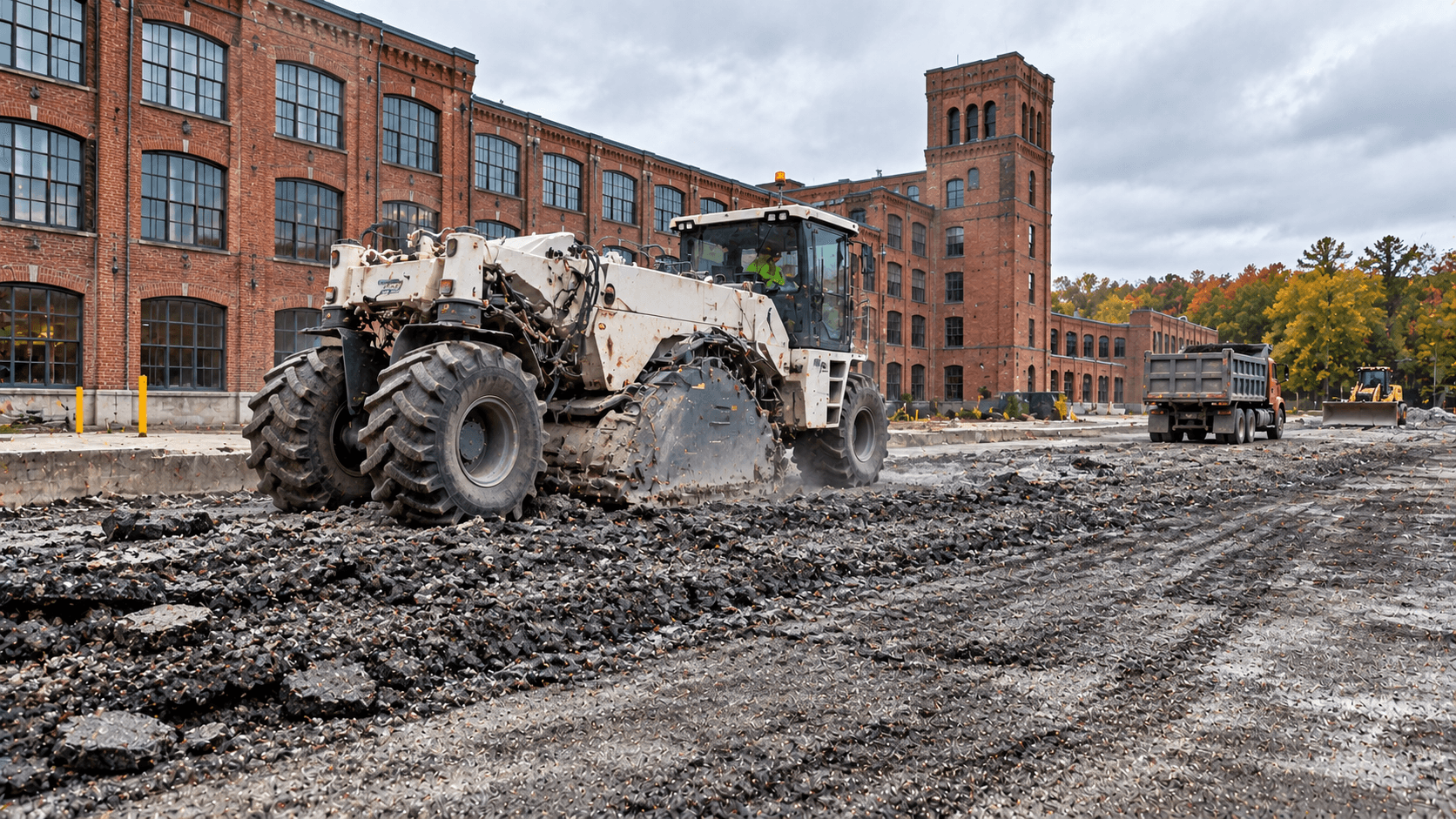
Connecticut has some of the oldest infrastructure in the country, and a lot of industrial pavement sits on base material that's outlived its intended life. Here is when full-depth reclamation is genuinely the right call instead of another overlay.
New Britain earned the nickname Hardware City for real reasons, and that manufacturing history still shapes what commercial paving looks like here. Here's what property owners in New Britain and Central Connecticut should know.
A corporate headquarters parking lot isn't judged the same way a strip mall lot is. Here is what actually changes for paving, striping, and maintenance at Connecticut's Gold Coast corporate campuses.
Your parking lot's real condition shows up in spring. Your budget for next year gets locked in the fall. Here is how to close that gap before a repair nobody flagged this fall waits an entire extra year.
Two identical lots, one inland, one facing Long Island Sound, and the shoreline lot needs attention years sooner. Here is the real, compounding mechanism behind why Connecticut coastal pavement fails faster, and what it means for maintenance timing.
A paving project at a typical apartment complex needs a property manager's sign-off. A New York co-op often needs a board vote. Here's what that actually changes about the timeline, and what stays exactly the same.
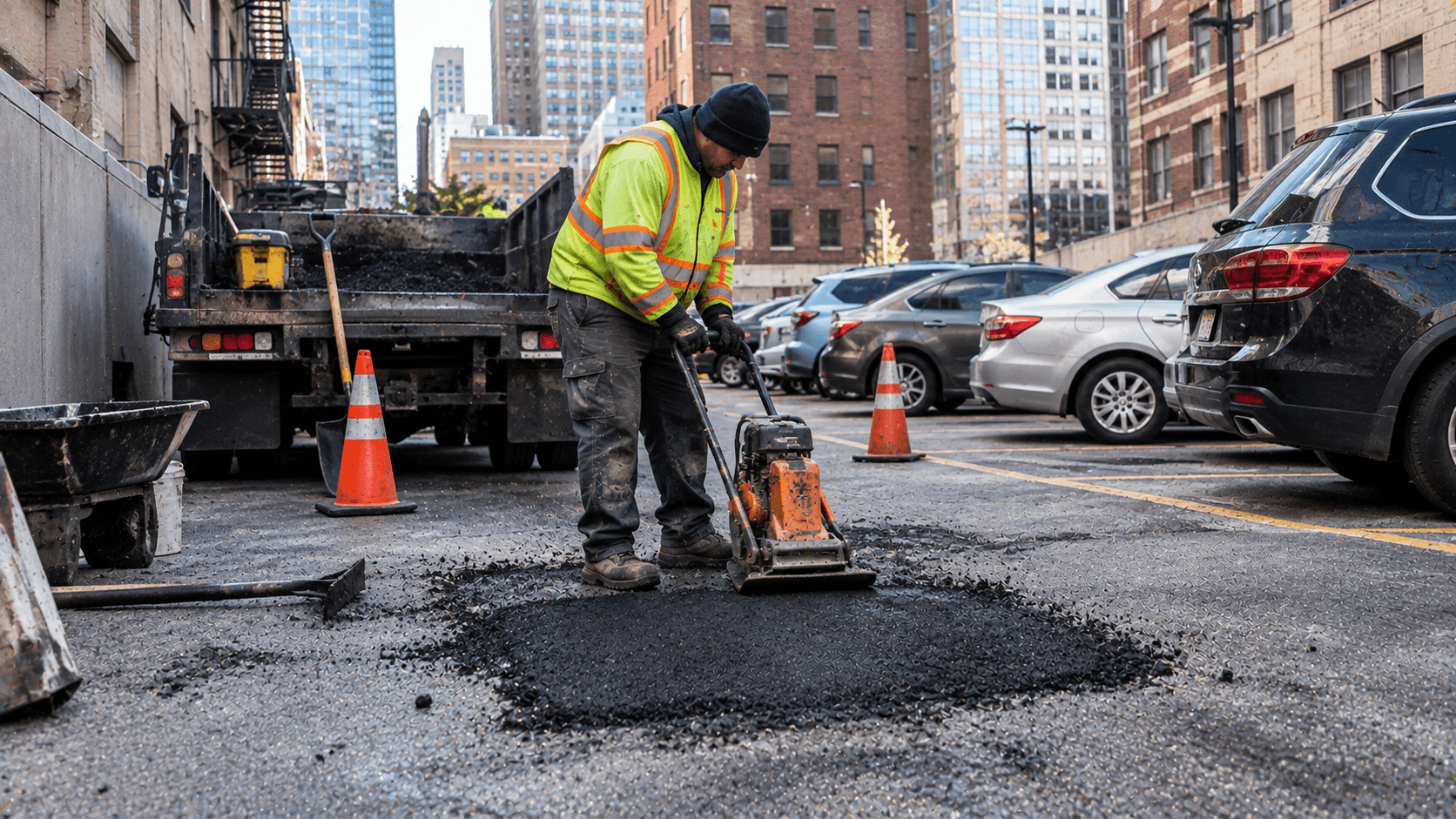
A pothole repair near a busy Manhattan block took under two hours once the crew started. Getting the crew and equipment onto the block took longer than the repair itself. Here is what actually slows down emergency response in a dense city site.
Milling is one of the loudest things we do on any job site, and in New York City, that's not just a fact, it's a real scheduling constraint. Here is how NYC's noise rules and debris hauling actually shape a milling project.
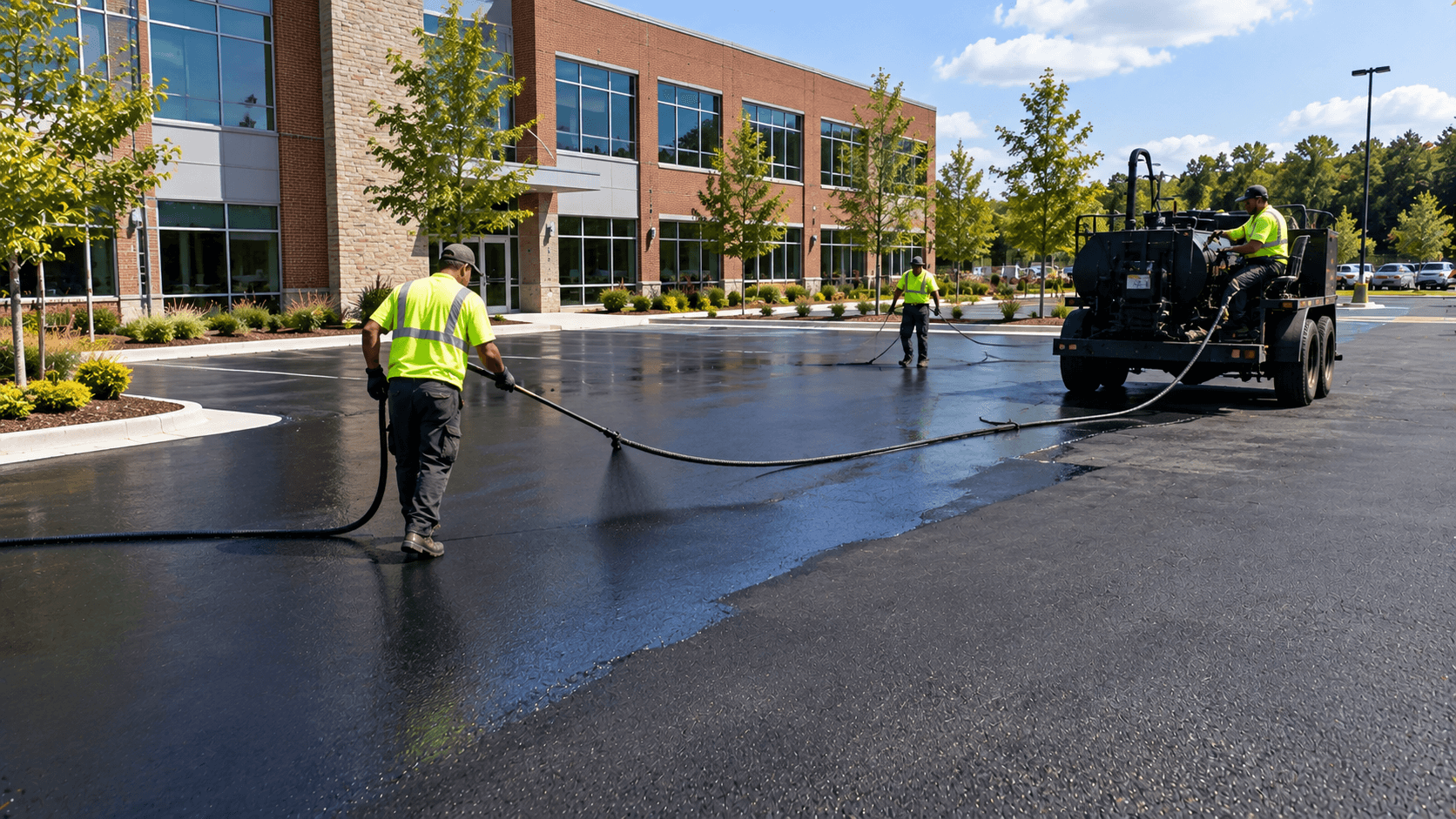
New York banned coal tar based pavement sealants in 2021, with application of existing stock ending in 2023. Here is what that actually means for your next seal coating project, and why it doesn't mean lower quality.
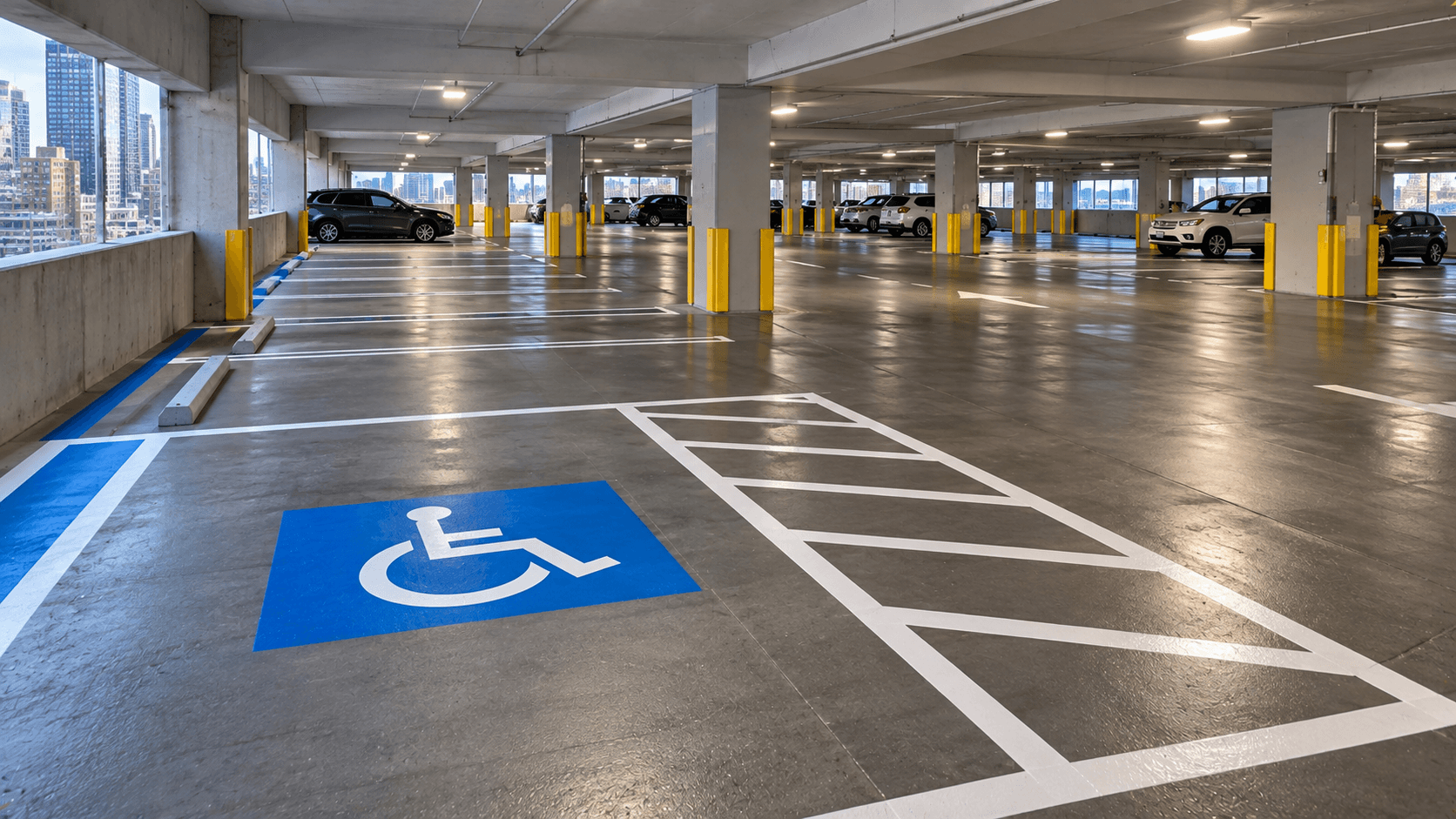
New York City has more than 214,000 parking garages, more than most states have parking lots. Here is what NYC building code actually requires for garage striping, and why this density makes it a different job.
A cracked joint that a healthy adult wouldn't notice can be a real fall risk for a resident using a walker. Here is what actually changes for paving, layout, and maintenance at senior living and nursing home facilities.
Medical facilities don't follow the standard ADA parking scoping table. Hospital outpatient facilities need 10% accessible parking, and rehab facilities need 20%, both far above a typical commercial lot. Here is what that means for layout.
A guest pulling into a hotel for the first time forms an impression before reaching the front desk, and the parking lot is part of it. Here is what actually changes for layout, striping, and maintenance at hospitality properties.
A retail parking lot has one job a warehouse lot never has: making a good first impression before a customer walks through the door. Here is what actually changes for layout, striping, and maintenance on retail properties.
Milling and full-depth reclamation get lumped together constantly, and picking the wrong one means paying for a repair that was never going to hold. Here is the real difference, and how to know which your lot needs.
Two commercial properties twenty miles apart near a Great Lake can have completely different winters. Here is how lake-effect snow actually forms, which areas get hit hardest, and what it means for pavement maintenance.
A private road on a commercial property is not just an oversized driveway. Fire apparatus access roads must meet load, width, and turnaround requirements a standard parking lot never faces. Here is what actually changes.
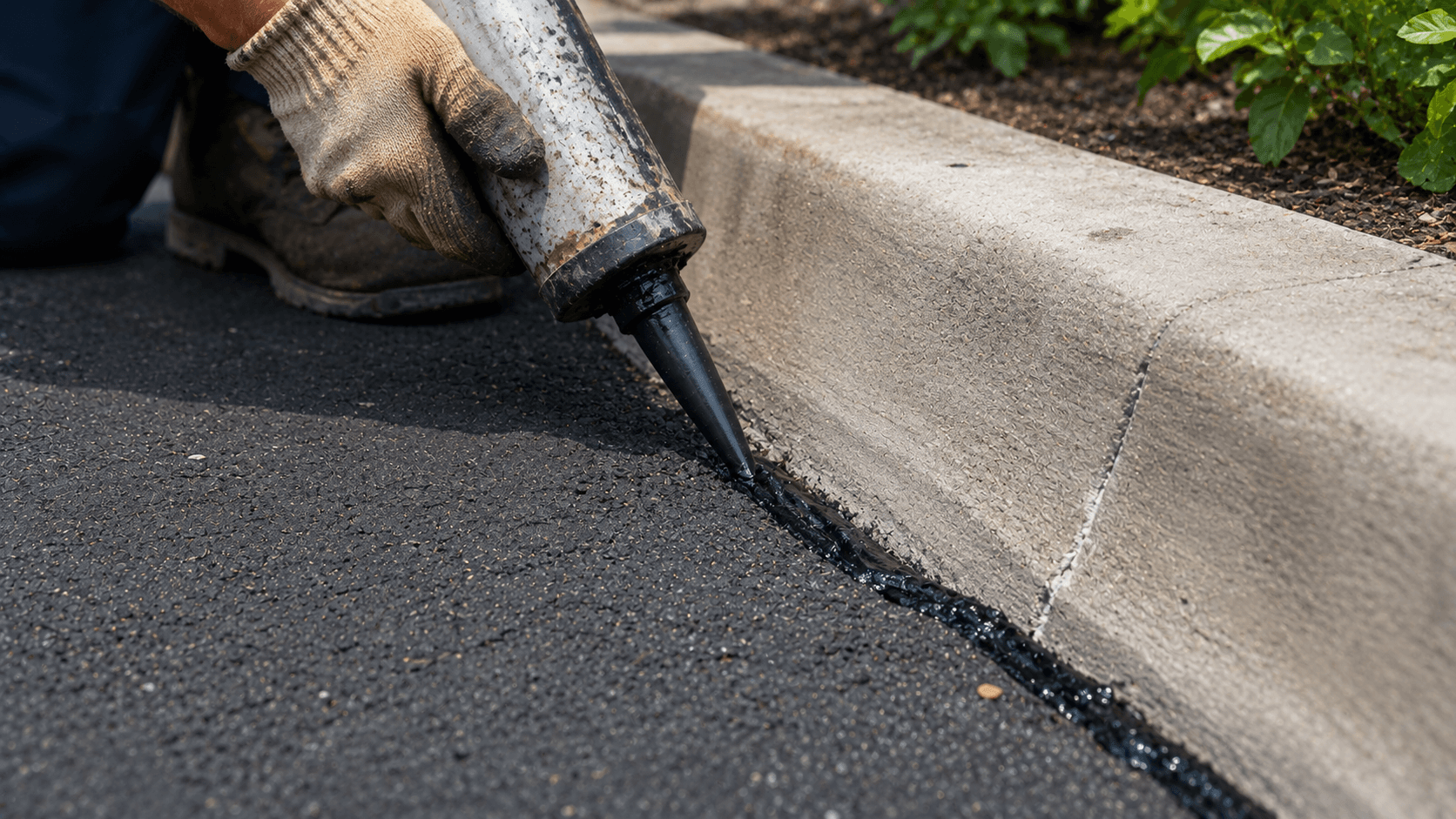
Joint sealing gets confused with crack filling constantly, but they seal completely different things. Here is what asphalt joint sealing actually does, where your commercial lot needs it, and how it differs from crack filling.
A warehouse lot and a retail lot might look similar from above, but what happens on them is completely different. Here is what actually changes for asphalt thickness, striping, and maintenance on industrial properties.
Pothole repair pricing swings more than almost any other line item, because there are three different repair methods and each costs a different amount for a reason. Here is what commercial pothole repair really costs.
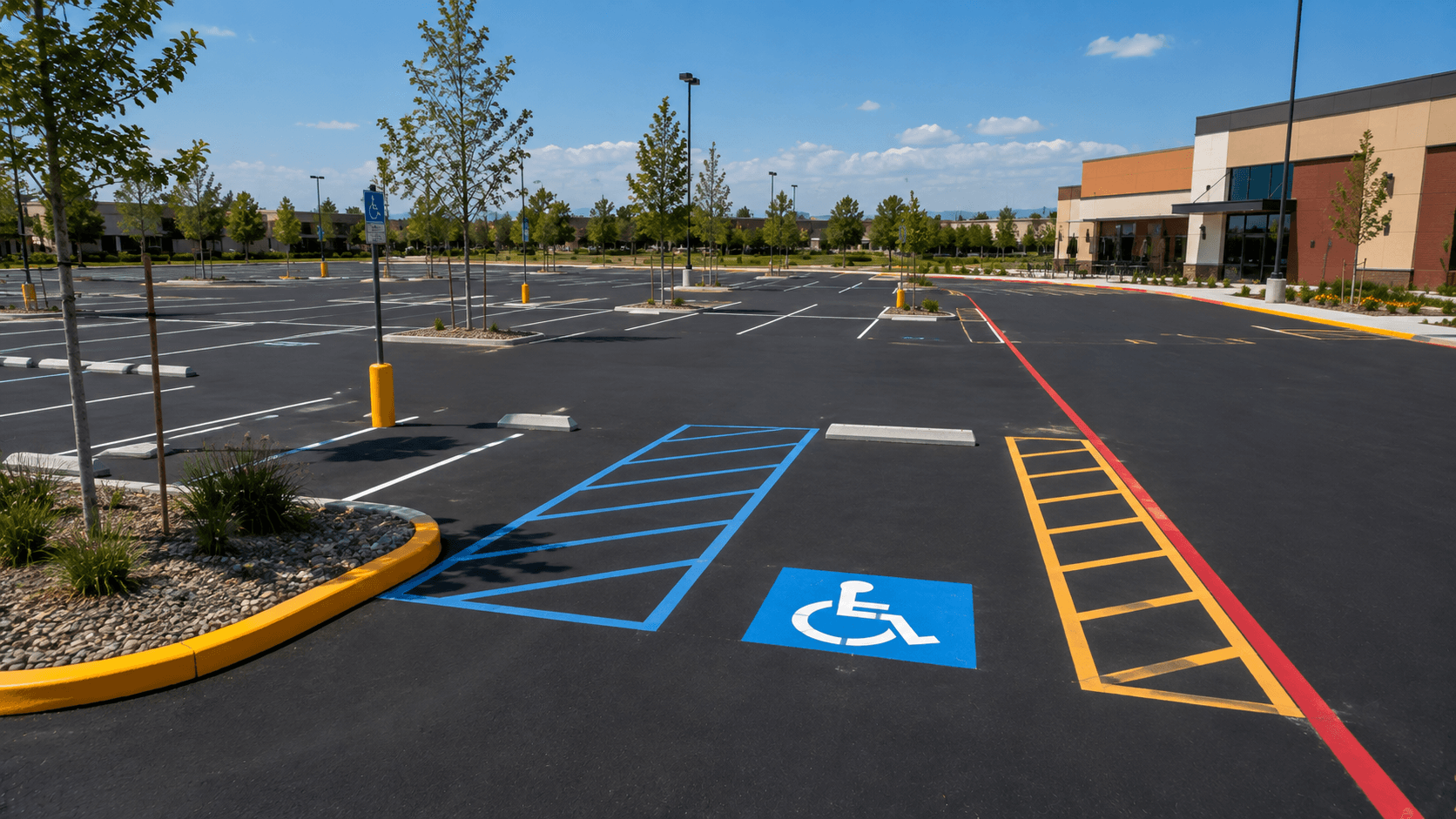
Every color painted on a parking lot means something specific. Here is a plain-language guide to what blue, yellow, red, and white actually signal, and whether those meanings hold true in every state.
How wide and how long are parking lot lines supposed to be? Real published standards answer both, from the federal MUTCD line width spec to stall and aisle dimensions. Here are the actual numbers.
Line striping and line painting are the same service, just two different names for it. Here is the short, direct answer on what it is, what materials are used, and where to go for the full guide.
Paving an apartment complex is a different job than paving a retail lot, because the people affected by the work live there. Here's what actually matters on multi-family properties, from phasing to fire access to resident communication.
A striping quote can look complete and still be missing half of what matters. Here's exactly what should be spelled out, materials, coats, removal method, ADA items, so you're comparing real scope, not just a bottom-line number.
Seal coating works best before your lot looks like it needs it. Here are the specific early signs, greying, dry texture, water that no longer beads, that tell you it's time, before the damage spreads and gets more expensive.
Most re-stripes just repaint the same lines. The right layout redesign can add real stalls and fix traffic flow problems on the exact same footprint, no new pavement required. Here's how commercial layouts actually get optimized.
Resurfacing is a great tool, until the base underneath has actually failed. Here are the specific structural signs, not just surface wear, that mean your commercial lot needs full replacement rather than another overlay.
A parking garage and a surface lot aren't the same striping job. Different lighting, tighter vertical clearance rules, and different fire code requirements all change what a compliant, lasting restripe actually looks like.
There's no single yes-or-no answer to whether your parking lot project needs a permit, because the rules genuinely vary by city. Here are the 4 factors that actually decide it, wherever your property is.
Anyone can quote a price. Not everyone can back it up. Here are the 7 questions that separate a paving contractor who'll do the job right from one who'll cost you twice, before you ever sign a contract.
Freeze-thaw isn't the only climate threat to a parking lot. Heat softens asphalt and UV cooks the binder that holds it together, aging Southern lots differently than Northern ones. Here's how the damage happens and how to fight back
Paint or thermoplastic? There's a right answer for most of your lot, and it's not the same answer everywhere. Here's an honest breakdown of what each material does best, what it costs, and where to use which on a commercial property.
More parking lot failures trace back to standing water than anything else. Here's what actually causes drainage problems, how to spot a low spot before it becomes a pothole, and how each type of drainage issue actually gets fixed.
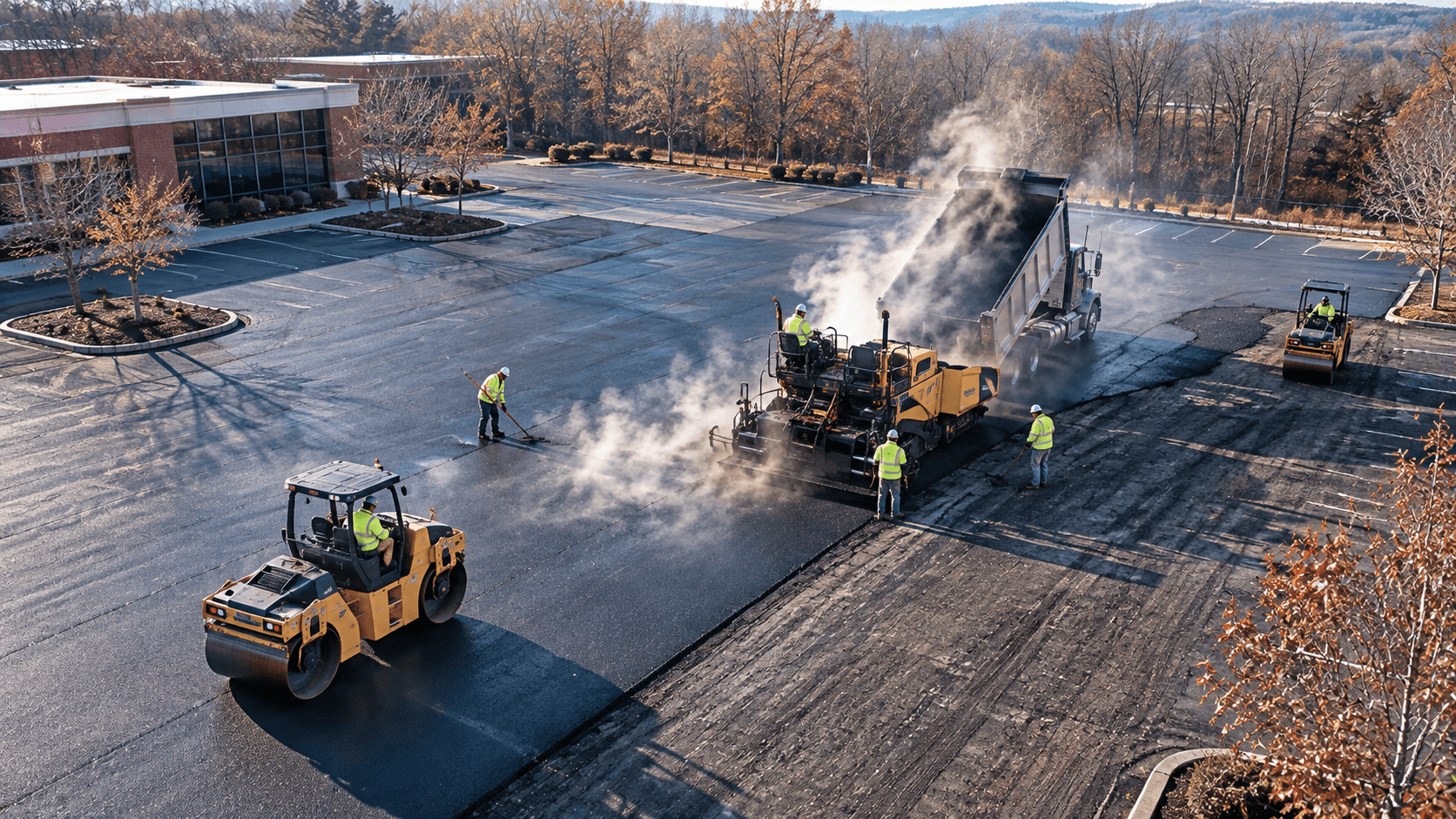
Milling is the step most property owners have never heard of, until we explain why their overlay needs it first. Here's what asphalt milling actually is, what it costs, and why skipping it leads to an overlay that fails early.
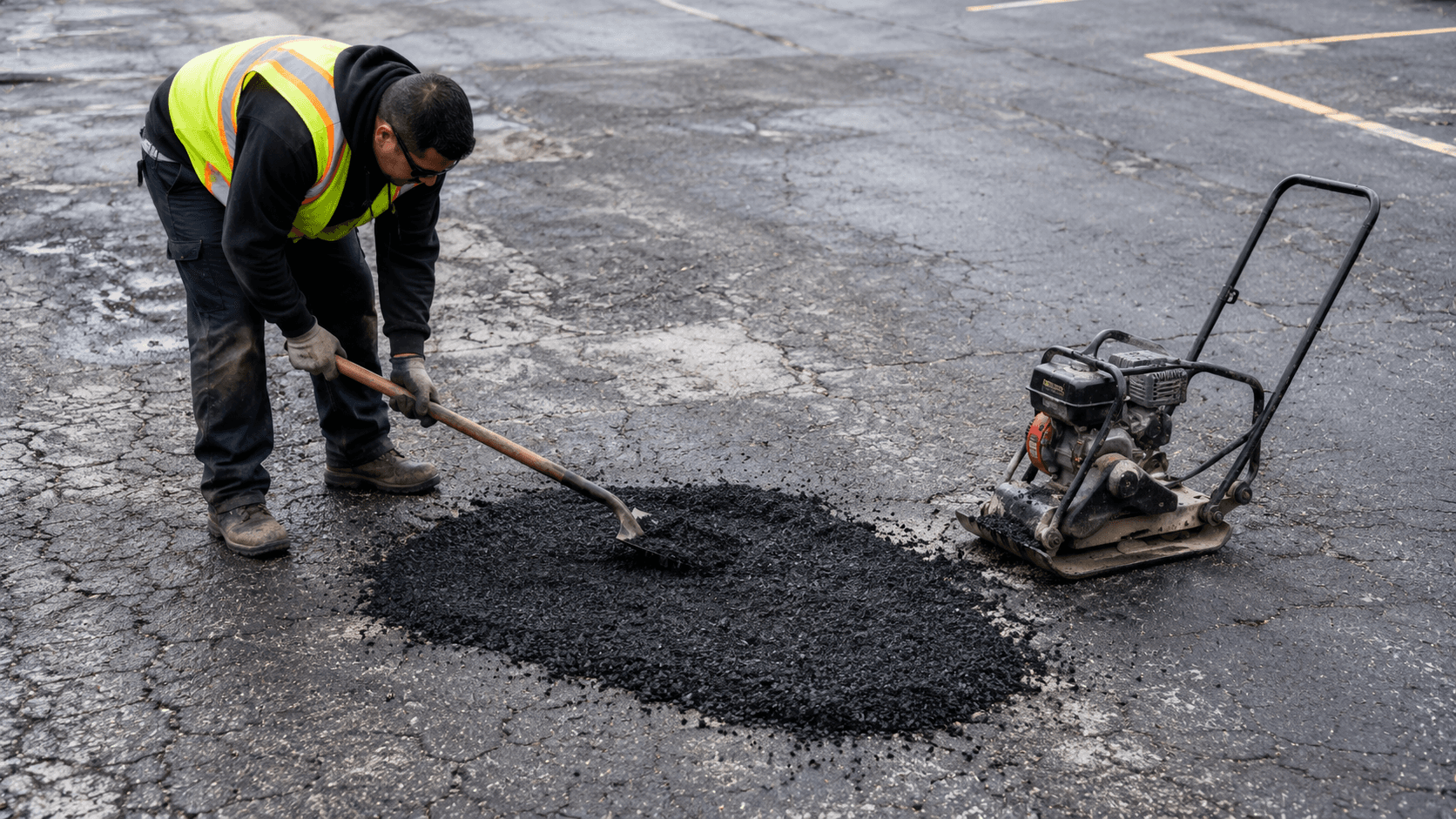
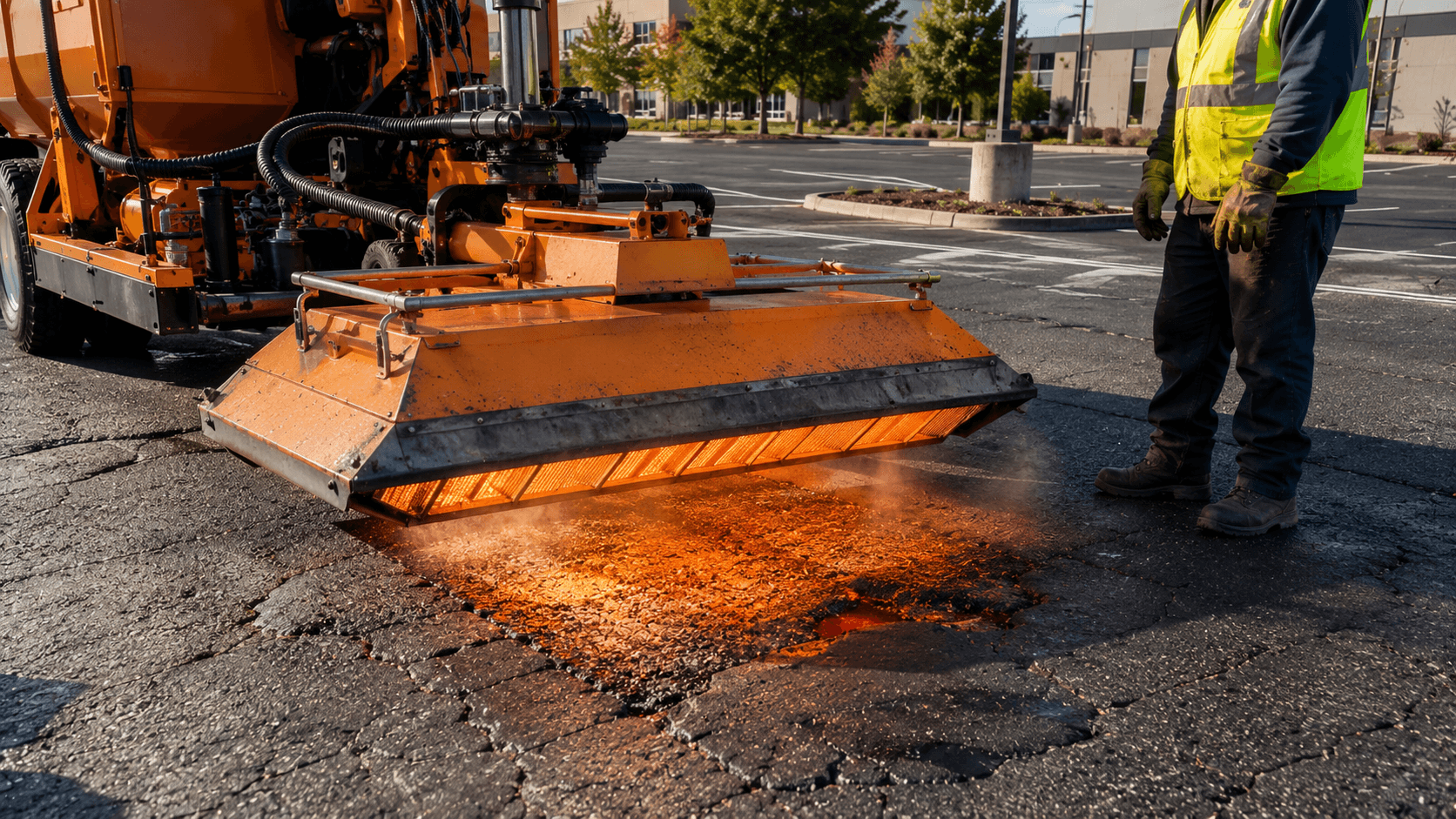
If you've paid to fix the same pothole twice, the method is the problem. Here's how cold patch and infrared repair really compare , how each works, what each lasts, and when to use which so you're not repaving the same hole every spring.
Between freeze-thaw cycles and road salt, a Northeast winter is about the hardest thing you can put an asphalt lot through. Here's exactly how the damage happens , and the fall and spring steps that protect your pavement
A commercial parking lot can last anywhere from under 10 years to over 30 , same asphalt, very different outcomes. Here's what decides your lot's lifespan, how each factor plays in, and the simple habits that add years.
Two identical lots, same age, one's sharp at 25 years, the other crumbled at 10. The difference is a maintenance schedule. Here's exactly what to do and when: cleaning, crack filling, striping, seal coating, and resurfacing, all in one place.
Almost every owner asks for the cheaper fix , but overlay vs. full replacement isn't about cost. It's about what's under your asphalt. Here's how to read your lot's base, the signs for each, and why overlaying a failed base means paying twice.
The per-square-foot number everyone asks for is the least useful one , two quotes at “$4 a foot” can be worlds apart. Here's what commercial asphalt paving really costs in 2026, broken down by lot size and cost driver, plus how to compare quotes without getting burned.
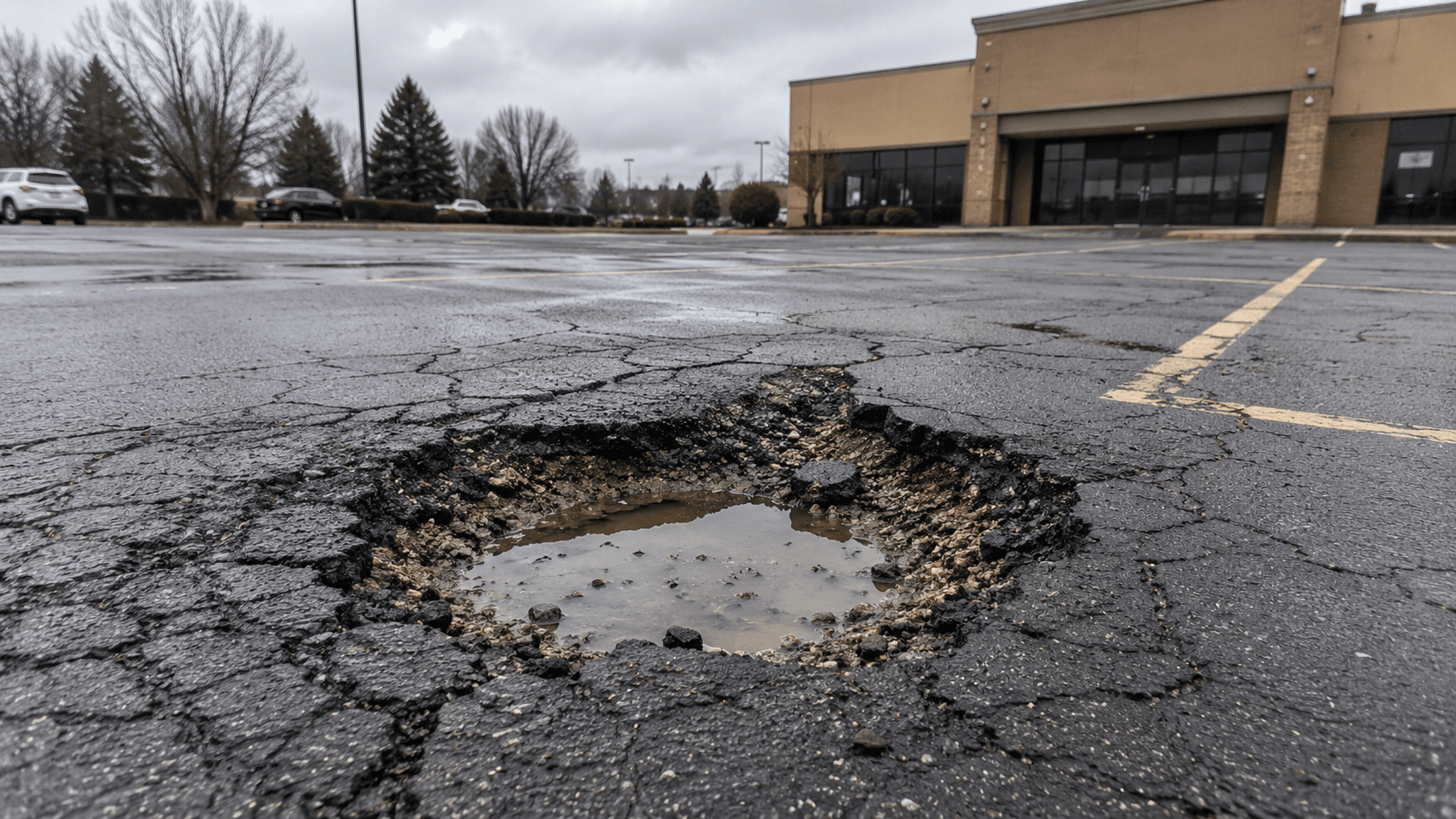
A pothole is never really about the hole , by the time you see it, the problem started months ago with a crack. Here's the simple formula behind every pothole, how they form step by step, and the five things that actually prevent them.
Seal coating in the wrong conditions means it won't cure, won't bond, and won't last. Here's the best time of year to seal coat a commercial lot, the temperature rules, the dry window, and how your region changes the calendar.
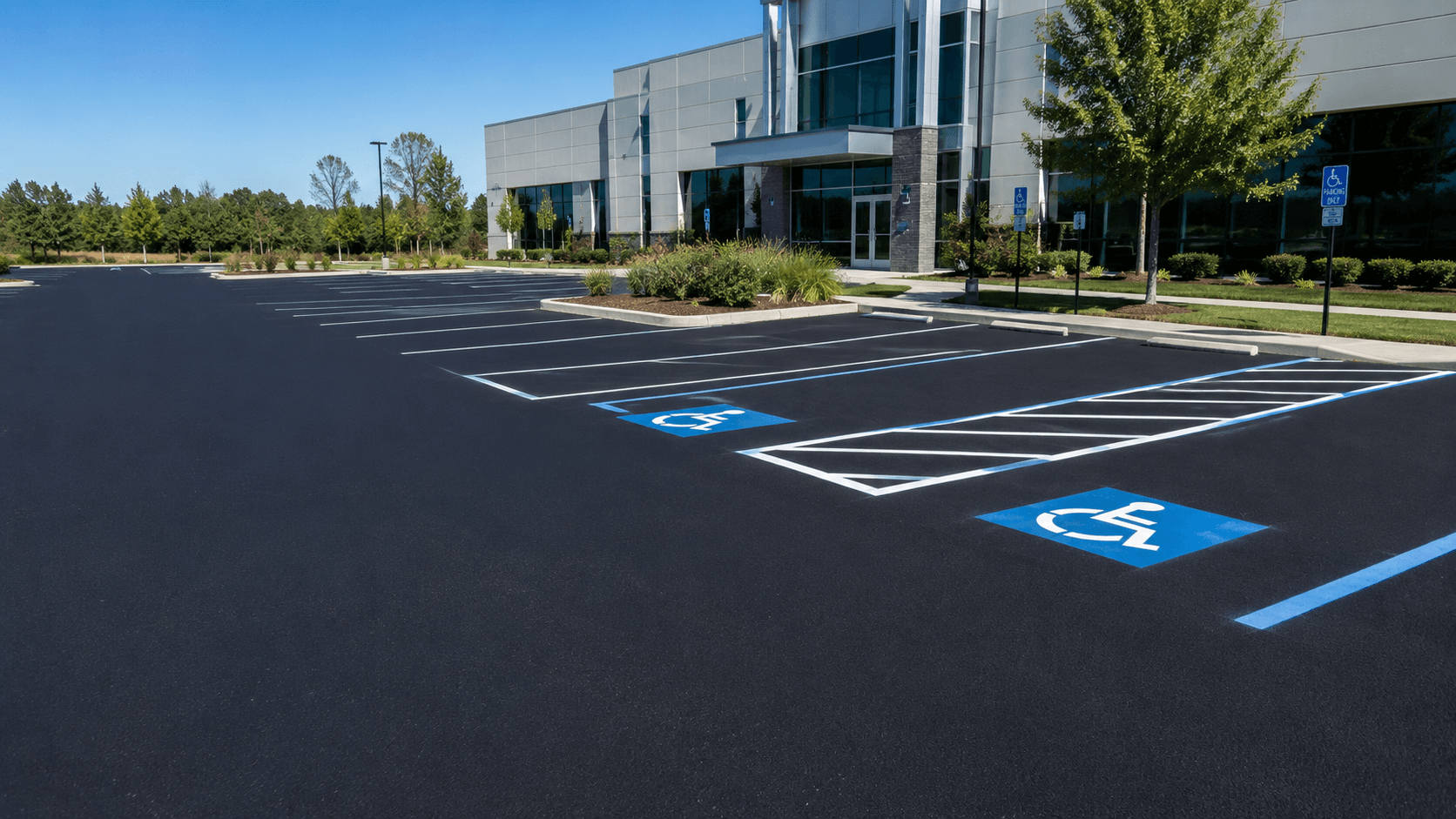
A faded symbol or an aisle two inches too narrow can fail an inspection, even on a perfect lot. Here's the full 2026 breakdown: how many accessible spaces you need, exact dimensions, signage rules, and when re-striping triggers full compliance.
Cracks letting in water, a surface going grey; same lot, two different problems. Here's what seal coating and crack filling each fix, which one your lot actually needs, and why the order matters.
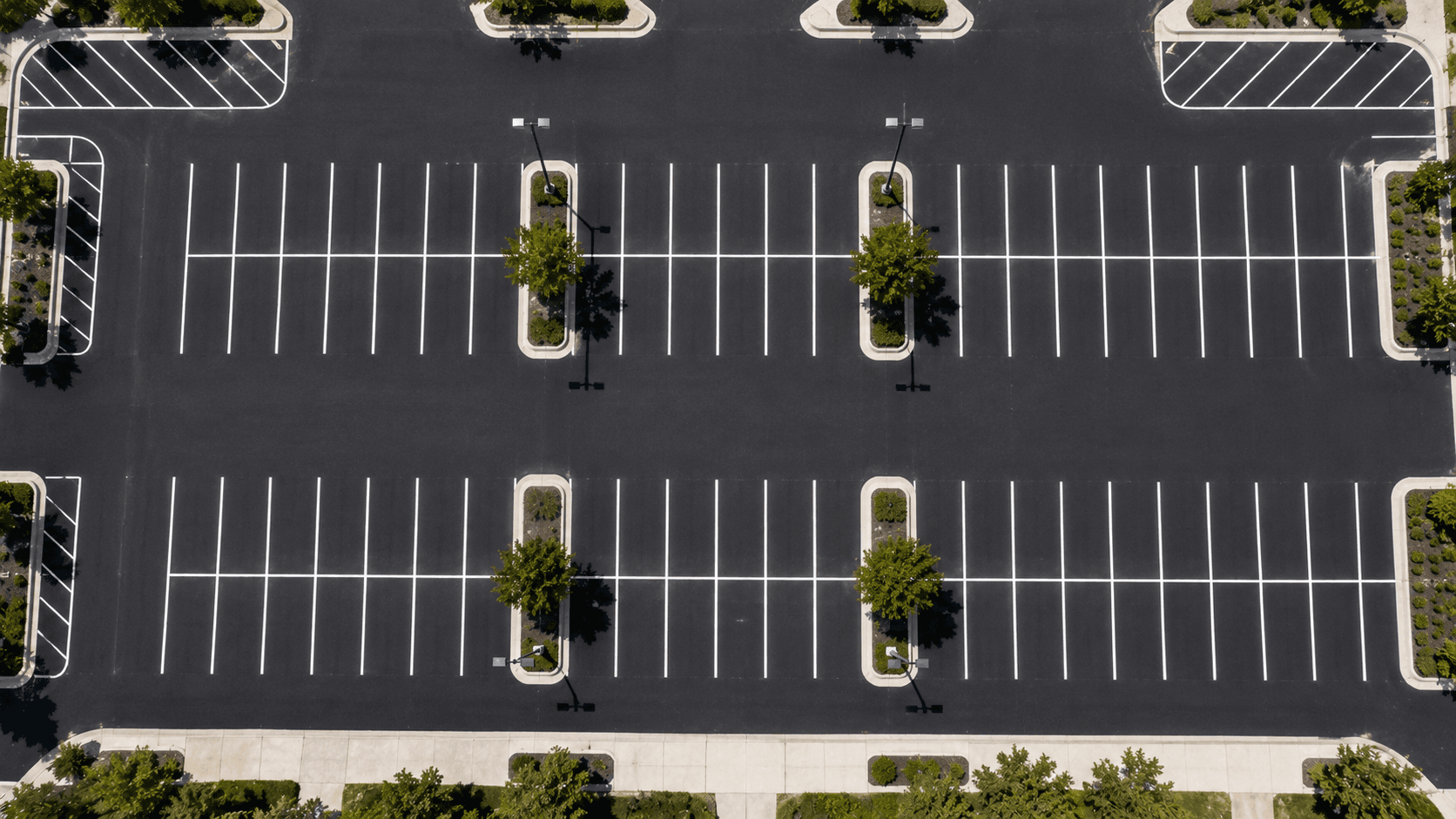
Faded parking lot lines create more problems than most property owners realize. Here's a practical guide to striping, when you need it, what it costs, and what to ask before hiring anyone.
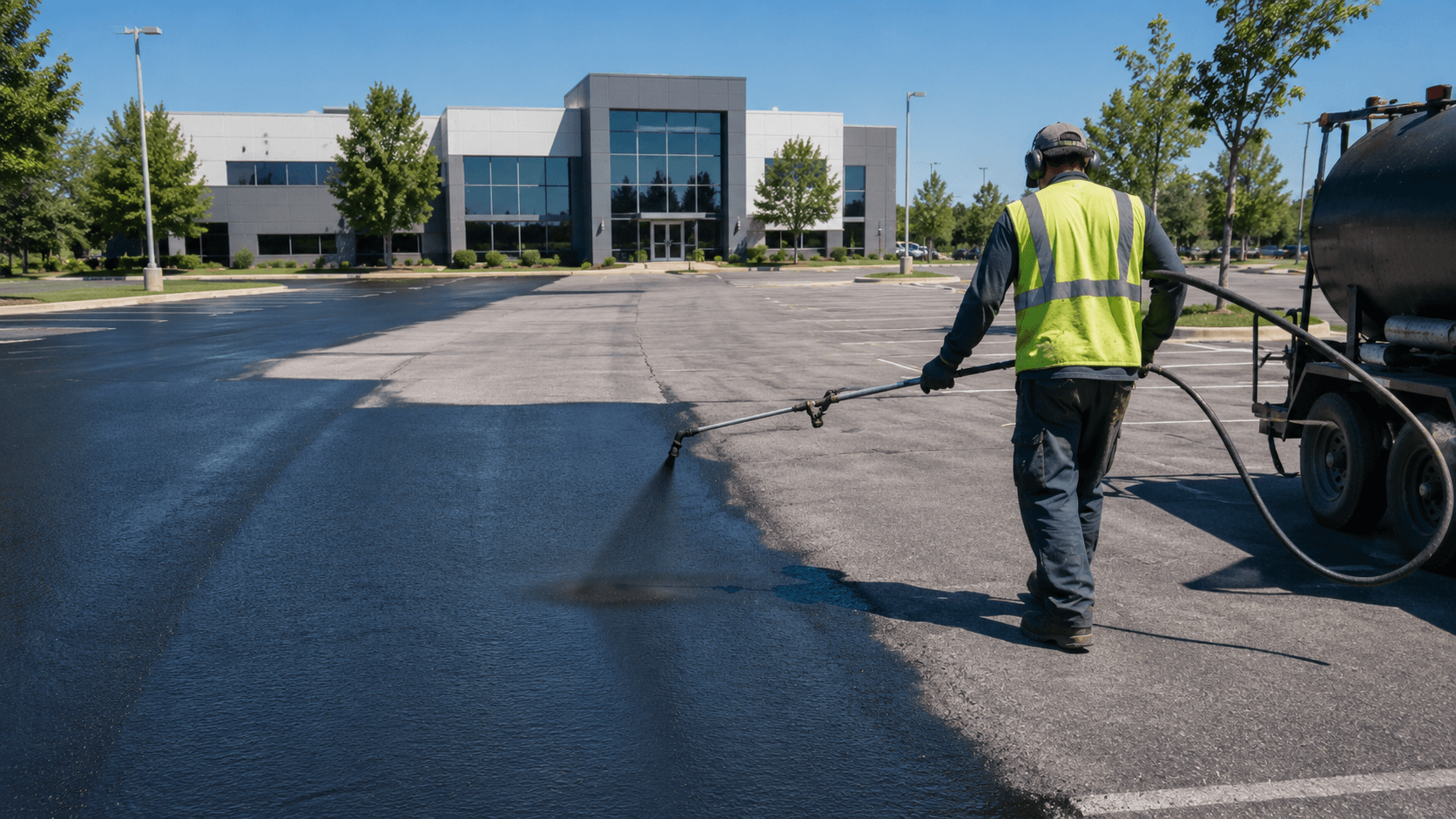
Seal coating a commercial parking lot runs $0.15–$0.35 per square foot in 2026. Here's what moves that number up or down, and whether it's actually worth it.
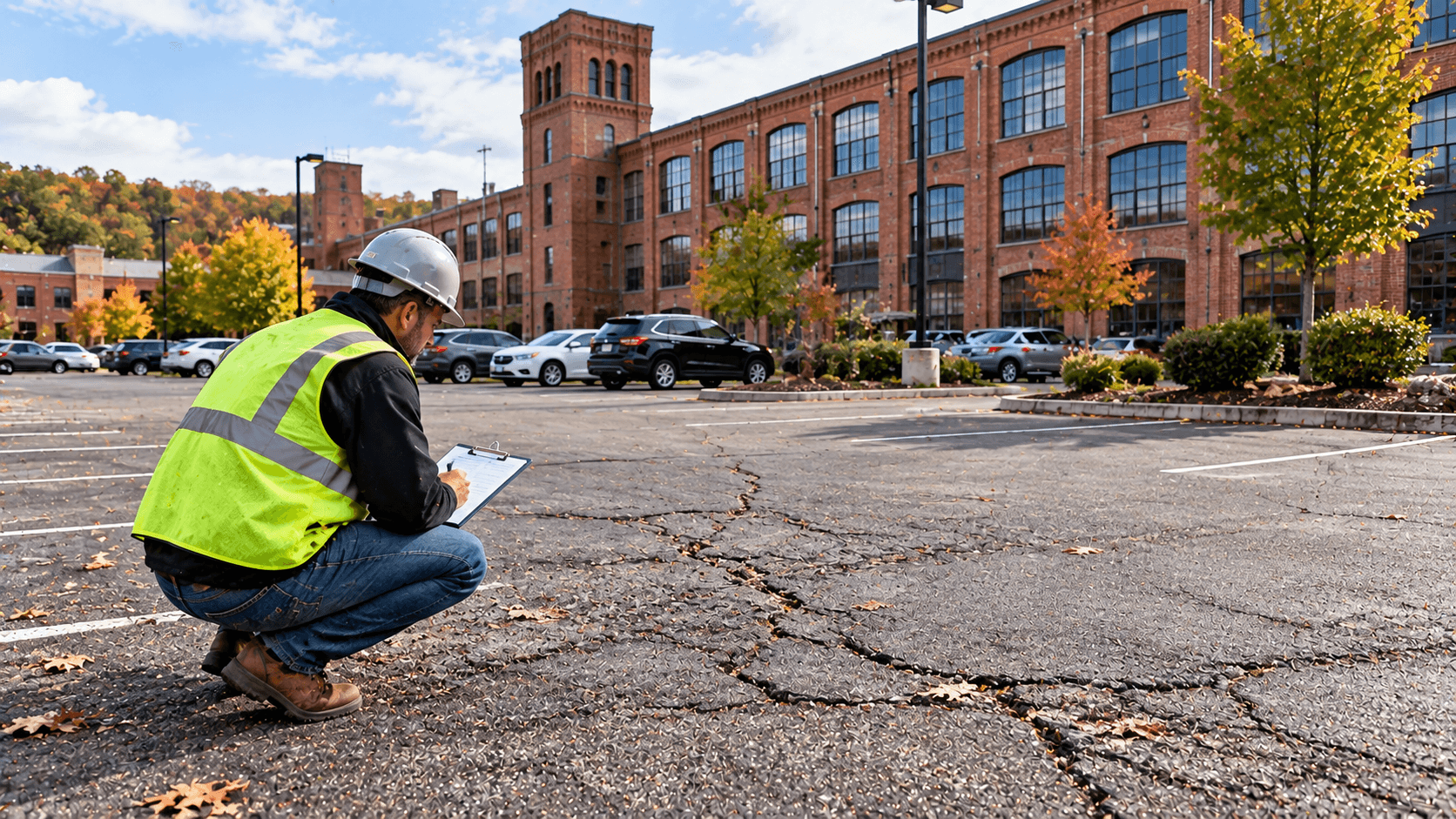
Most parking lots don't fail overnight. They give you warning signs first. Here's how to read them, and what each one actually means for your property.