
Paving A Co-op Parking Lot In New York City
Quick Answer
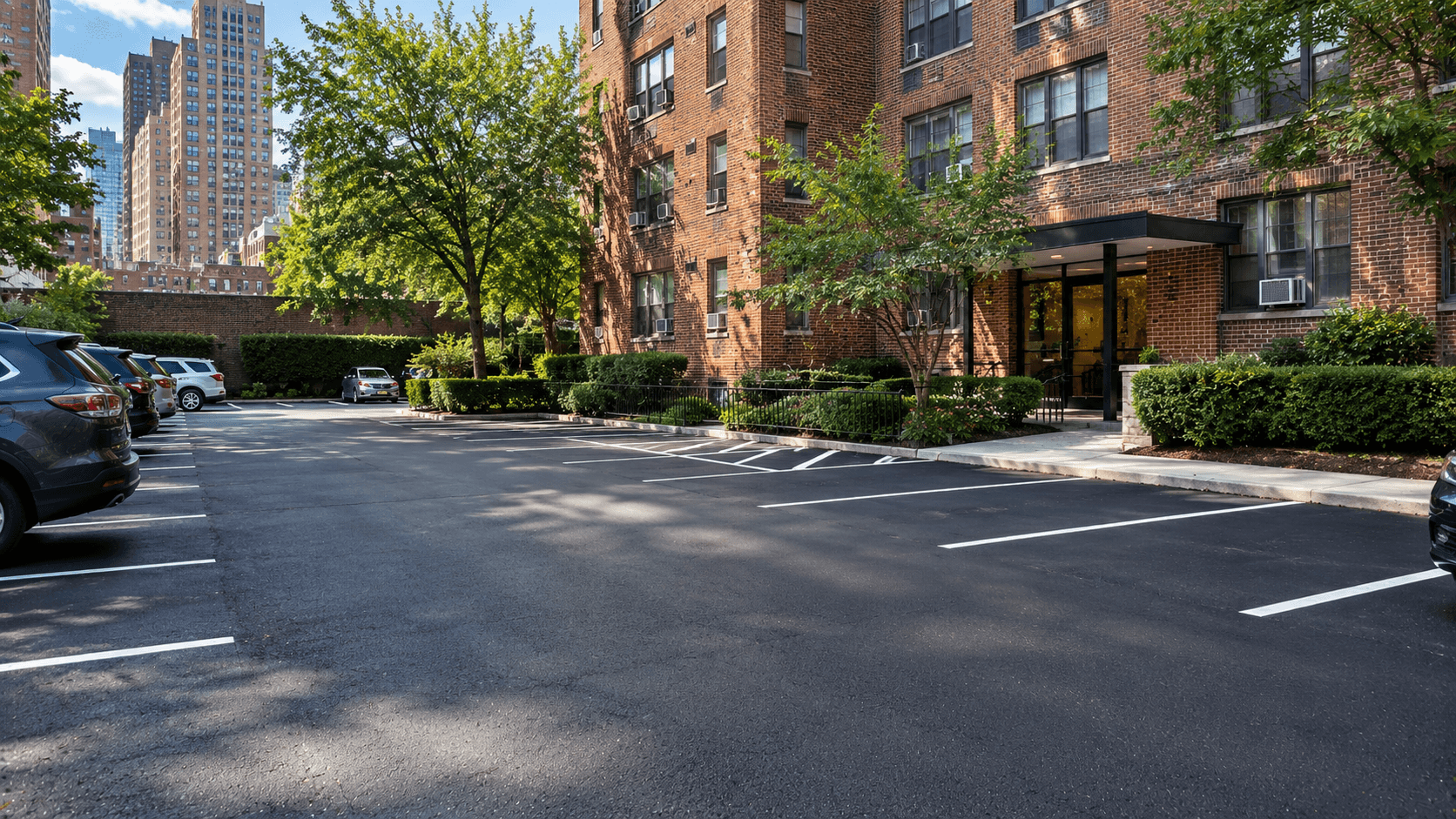
Co-ops and condos together make up 22% of New York City's occupied housing stock, and unlike a typical apartment complex, paving work at a co-op usually needs board approval before it can move forward, which changes the timeline and communication process, not just the paving itself.
A paving project at a typical apartment complex needs a property manager's sign-off. A paving project at a New York co-op often needs a board vote. That's not a small difference, it changes the entire timeline before a single truck shows up.
I am Gabriel, founder of FineLines. We've paved multi-family properties across New York, including a recent multi-family complex and a separate multi-family parking lot project, both requiring coordination directly with a property's board and management company, so here's what actually changes when the property is a co-op or condo instead of a standard apartment complex.
Why Co-ops Are Such a Big Part of NYC's Housing Market
According to the NYC Comptroller's Office, there are roughly 450,000 occupied cooperative apartments and 318,000 condominium units in New York City, together accounting for 22% of the city's occupied housing stock. Co-ops significantly outnumber condos citywide, and in Manhattan specifically, co-ops make up the clear majority of the borough's residential buildings.
Why Board Approval Changes the Paving Process
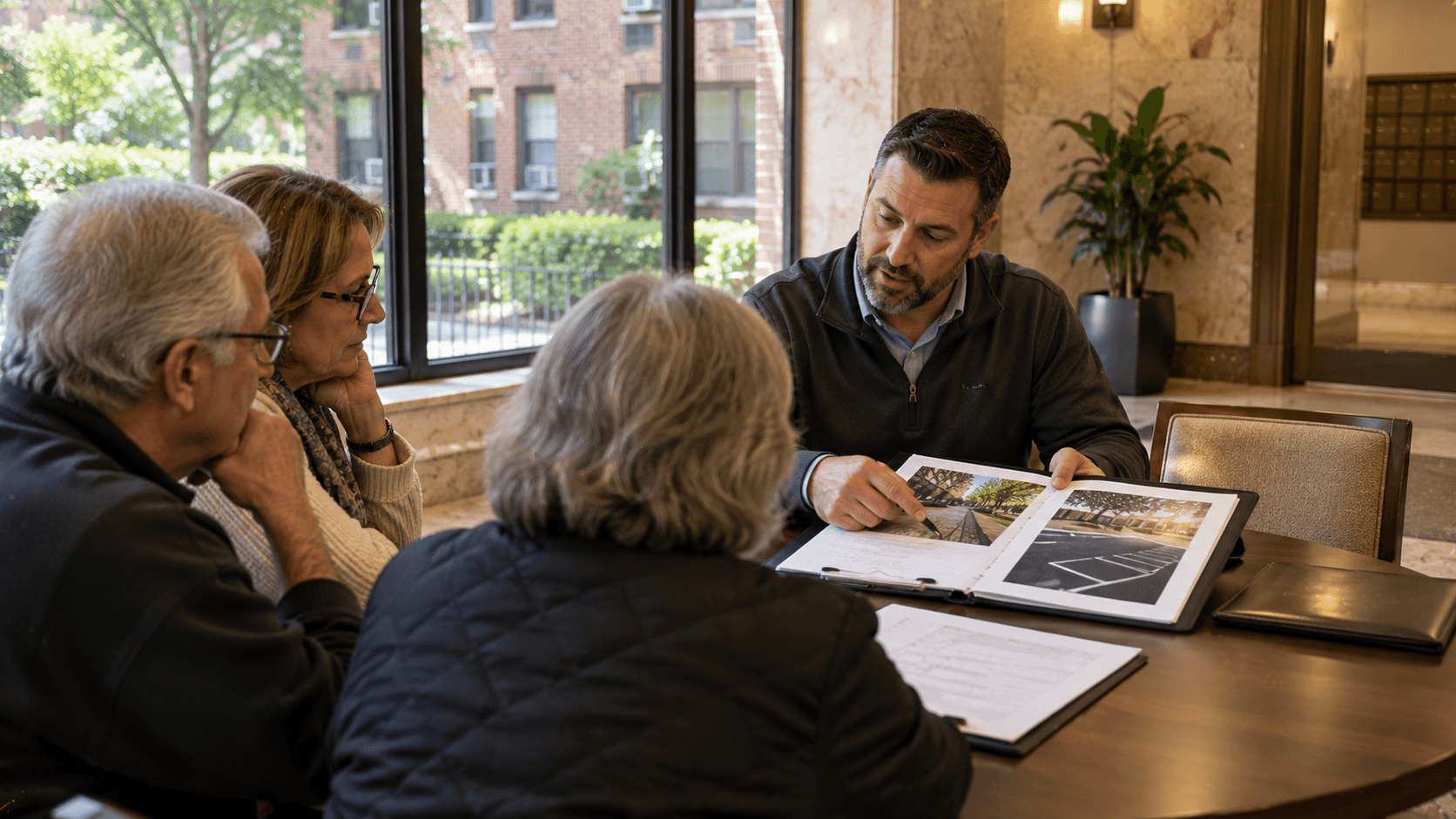
A co-op is legally structured as a corporation, and residents own shares rather than the property itself. That means major property decisions, including paving and parking lot work, typically go through the building's board rather than a single decision-maker. A condo association often follows a similar approval structure, even though ownership is structured differently.
- Timeline needs to build in board approval, which can mean weeks between a resident-facing request and an approved project, longer than a typical multi-family property with a single property manager.
- Communication often needs to go through a management company, not directly with residents, which changes how project updates and scheduling notices get distributed.
- Budget conversations may involve a reserve fund or special assessment vote, which is a different financial process than a typical rental property's maintenance budget.
What Doesn't Change: The Actual Paving Work
Once a project is approved, the paving, striping, and phasing considerations are largely the same as any occupied multi-family property, working around resident vehicles, maintaining accessible routes, and communicating clearly about closures. The difference is entirely in what happens before the crew arrives, not during the work itself.
Our multi-family and apartment complex paving guide covers the phasing and resident communication side of this work in full depth. If your property is a co-op or condo in New York, we're used to working within board approval timelines and communicating through a management company when that's how the property operates.
FAQs
What percentage of NYC housing is co-ops and condos?
Together, co-ops and condos make up about 22% of New York City's occupied housing stock, with roughly 450,000 co-op units and 318,000 condo units citywide, according to the NYC Comptroller's Office.
Does a co-op board need to approve parking lot paving?
Typically, yes. Since a co-op is structured as a corporation with residents owning shares rather than the property directly, major work like paving usually requires board approval before it can proceed.
How long does board approval add to a paving project timeline?
It varies by building, but it's common for board approval to add several weeks to a project timeline compared to a property with a single decision-maker, since it typically requires being placed on a board meeting agenda and voted on.
Is paving work itself different at a co-op versus a standard apartment complex?
No, the actual paving, striping, and phasing work is largely the same. The difference is in the approval and communication process beforehand, not in how the work is performed once it's approved.
Free Site Assessment